
The Nibelungenlied

The Nibelungenlied
InquiryTHE NIBELUNGENLIED
Without question, the Nibelungenlied is one of the foundational works of the German literary tradition, having shaped Central European culture more profoundly than almost any other text. More than 800 years after its creation, the epic continues to inspire numerous books that venture to retell its monumental story. Thirty-five surviving manuscript copies, dating from the thirteenth to the sixteenth centuries, bear witness to the work’s enduring popularity, both in its own time and to this day.
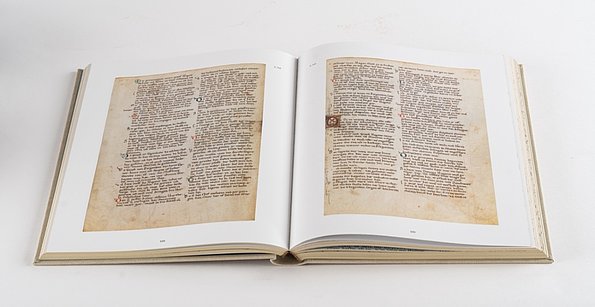
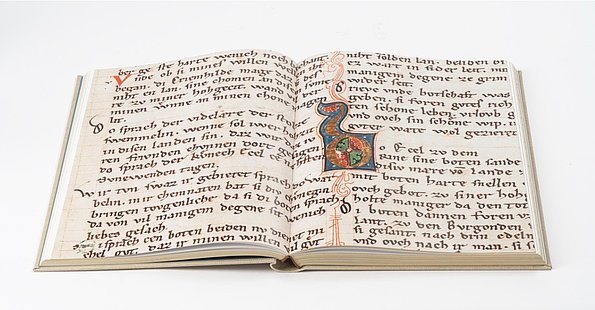
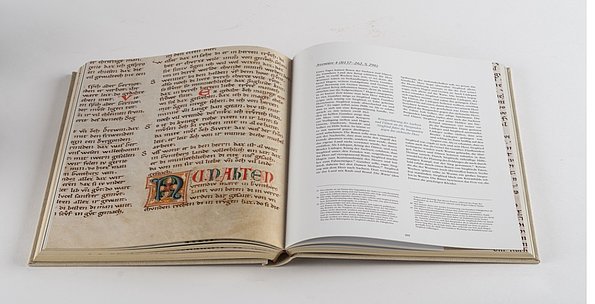
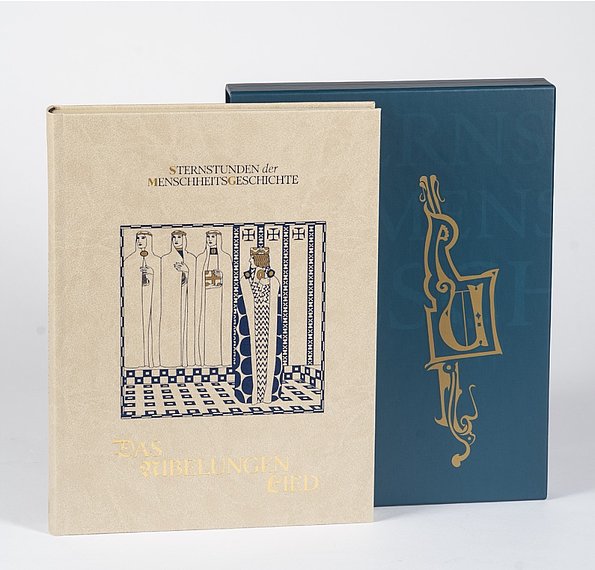
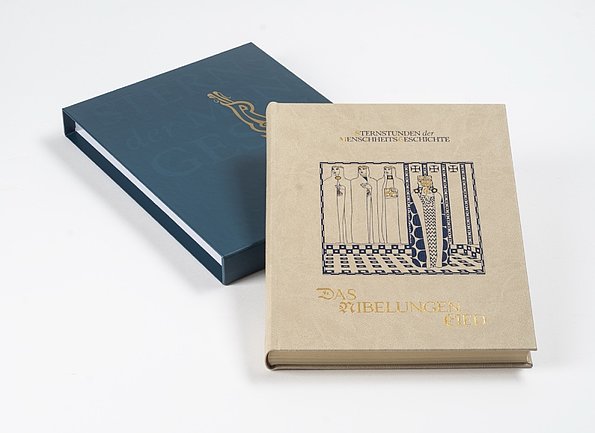
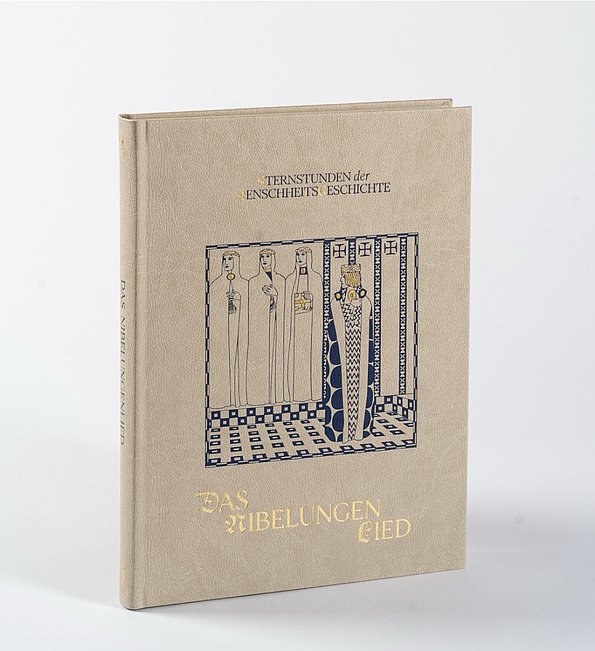
With this edition, we seek to offer an insight into the history and genesis of the text, providing an overview of its narrative as well as the epic’s historical development and continuing legacy. Manuscript B (Cod. Sang. 857) is a unique treasure of our cultural heritage. Inscribed on UNESCO’s Memory of the World Register, it is reproduced here in its entirety and in full colour for the first time.
Cultural Insights
A COSMOS OF MEDIEVAL LITERARY ART
The St Gallen Nibelungen Manuscript B is far more than a witness to a single epic poem. Alongside the Nibelungenlied, it brings together some of the most significant works of Middle High German literature, including Wolfram von Eschenbach’s Parzival and Willehalm, as well as the epic Karl der Große. Created around 1260, it is one of the outstanding collected manuscripts of medieval literature, offering a unique insight into the literary world of the High Middle Ages.
As early as 1968, Verlag Müller & Schindler, now part of Universal Art Group, published a facsimile edition of the Nibelungen Manuscript C. This marked an early milestone in the publishing house’s history and gave expression to a passion that continues to this day: preserving outstanding treasures of book and cultural history in their original form and making them accessible to future generations.
