The Forms of Medieval Initials: Diversity and Meaning in Detail
In the Middle Ages, initials were far more than mere letter openings. They provided visual orientation within the text, adorned precious manuscripts, and reflected the cultural and artistic trends of their time. Over the centuries, a wide variety of initials developed, each with its own distinct features, functions, and historical context. The following overview introduces the most important types of medieval initials – from early ornamental designs to vivid figure painting.
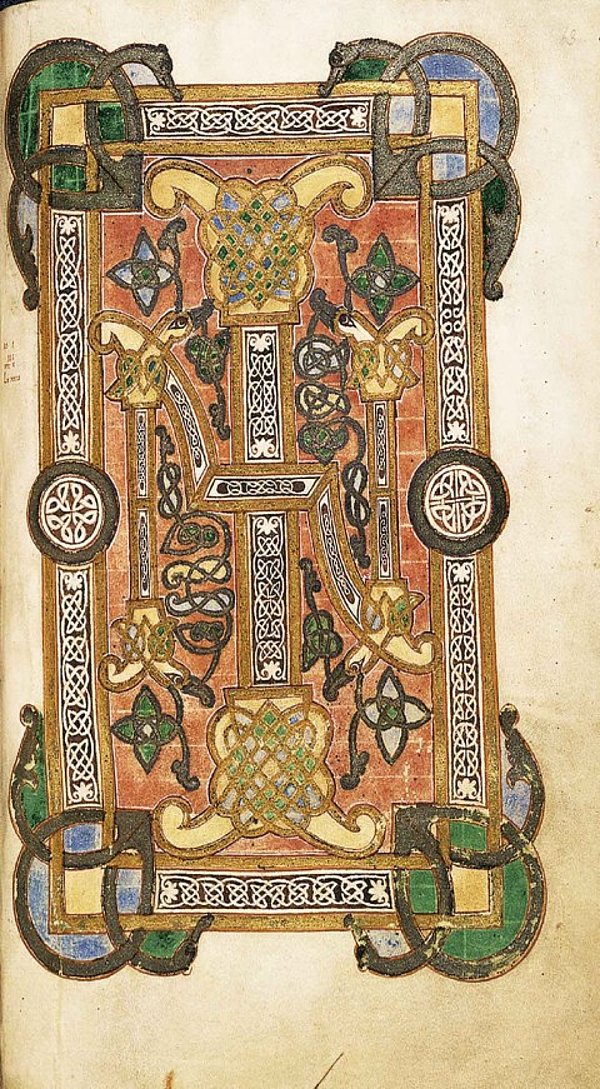
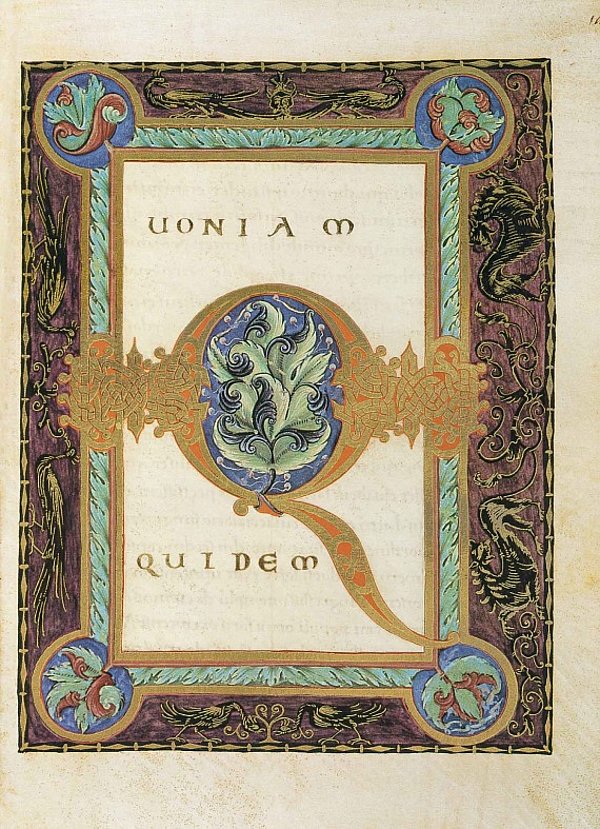
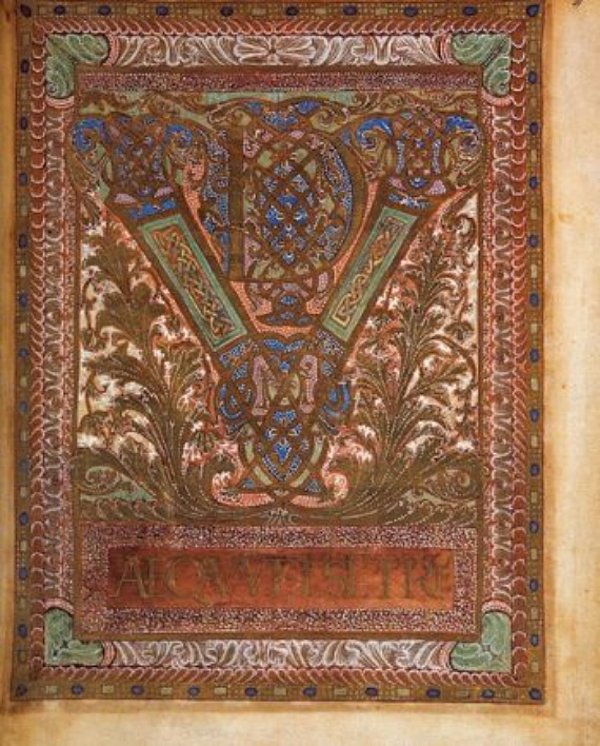
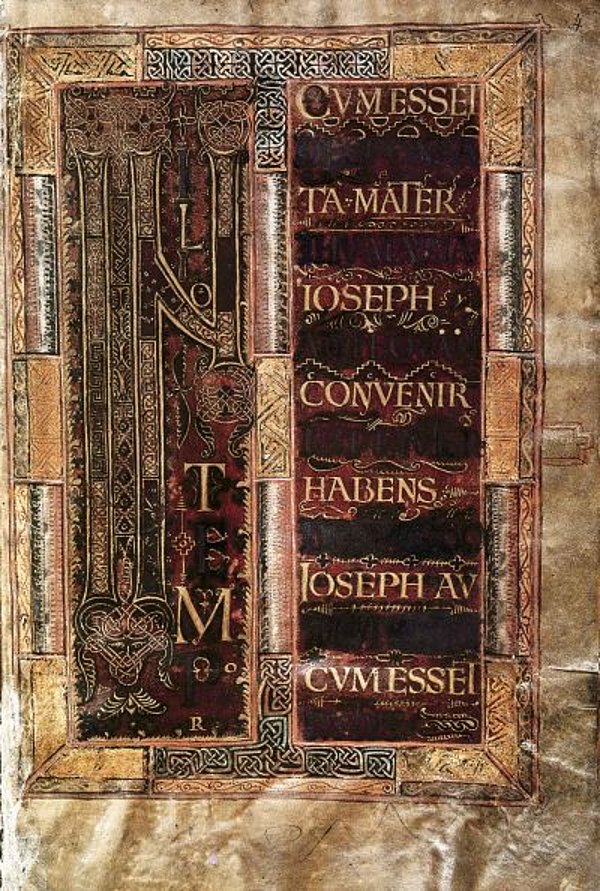
Ornamental initials, also known as decorative initials, are among the earliest forms. As early as the 6th century, especially in the Early Middle Ages, artists embellished letters with abstract patterns such as vines, interlace, and spirals. These decorative elements often filled the entire letter space, creating elaborate works of art that could extend across several lines. A famous example is the Book of Kells from Ireland, whose initials captivate with their intricate Celtic knotwork. These ornamentally designed letters stem from a period when script and decoration were inseparably entwined, ensuring that the opening of a text received striking visual emphasis.


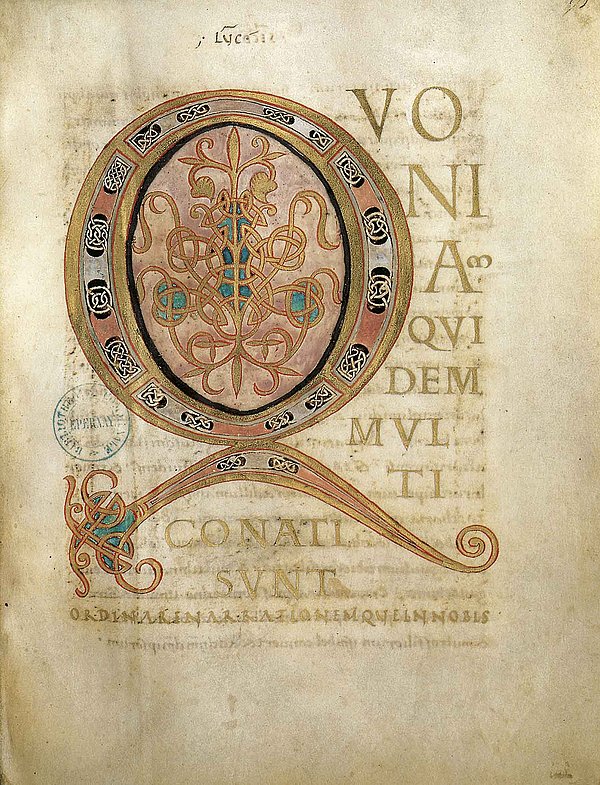
From the 9th century onwards, zoomorphic and anthropomorphic initials appeared with increasing frequency. In these forms, letters merged with figures of animals or humans: a letter might be entwined by a dragon or take shape as part of a fantastical creature. Particularly popular between the 11th and 13th centuries, such initials combined writing with a lively visual language, often conveying symbolic or moral messages. The Mozarabic art of the Beatus Apocalypse of Gerona offers a vivid example, its fantastical animal figures merging text and imagination.
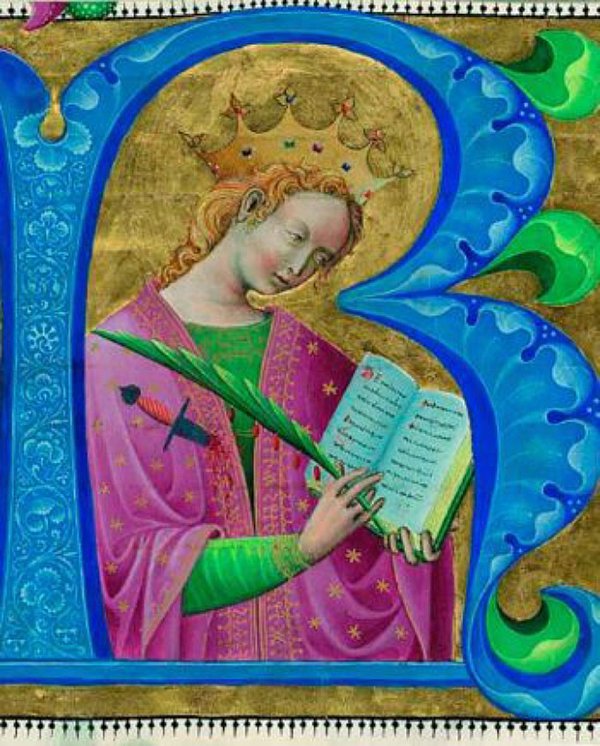
A particularly rich and narrative form emerged with historiated initials, which first appeared in the 12th century and flourished in the later Middle Ages. Within the body of the letter, small pictorial scenes were depicted – often illustrating biblical stories, saints’ lives, or scenes from daily life. In this way, the initial became a miniature painting that not only decorated but also deepened the meaning of the text. The celebrated Très Riches Heures du Duc de Berry provides a perfect example, with historiated initials beautifully illustrating the lives of Christ and the Virgin Mary. These initials bridged word and image in a way that even non-readers could access the text visually.
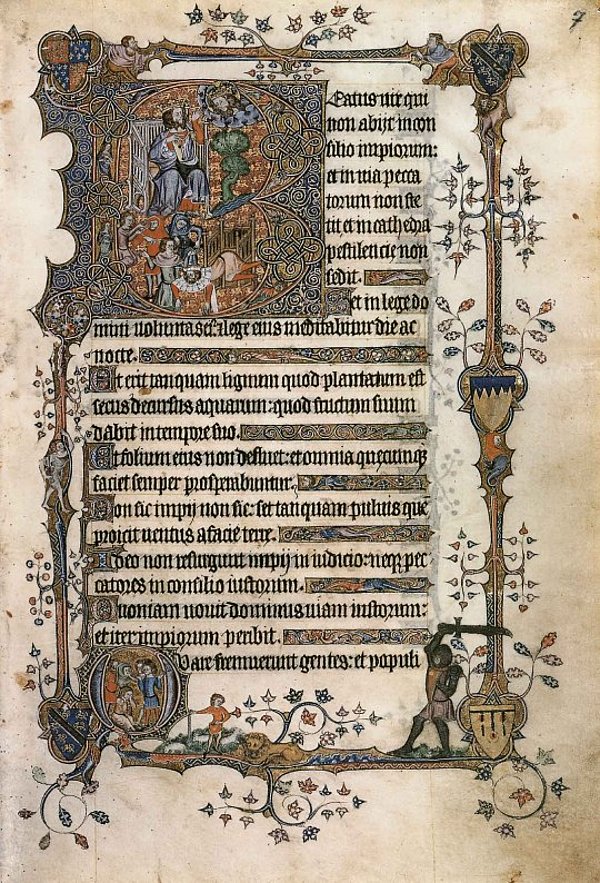
In the 13th and 14th centuries, flourished initials became widespread. Here, coloured letters were enriched with delicate floral tendrils that often extended into the margins of the page. This fine, flowing decoration was especially popular in liturgical manuscripts, creating elegant, lively page compositions. A striking example can be found in the Breviarium Grimani, whose initials are admired for their delicate linear ornamentation.
A simpler yet highly functional form is represented by the Lombardic initials. With their bold outlines and typically monochrome colouring, they appeared from the 11th century onwards. Their purpose was above all structural, dividing the text into clear sections. Usually painted in red or blue, Lombardic initials were widely produced in northern Italian scriptoria – hence their name – and remained popular in late medieval German manuscripts as well.
Another distinctive type, established mainly in the 13th and 14th centuries, is the puzzle initial. These are characterised by their two-colour design, most often red and blue, arranged like interlocking puzzle pieces. Inside the letter forms, delicate penwork and ornamental patterns further enriched the decoration. Puzzle initials were especially popular in university centres such as Paris and Bologna, where they structured extensive theological and legal texts.
This variety of forms shows how medieval initials went far beyond their practical role as text openings. They mirrored their age, expressed artistic diversity, and are deeply interwoven with the history of manuscript illumination. Our high-quality facsimiles provide a fascinating gateway into this artistic world of medieval initials – capturing every detail and every nuance that has endured for centuries.